

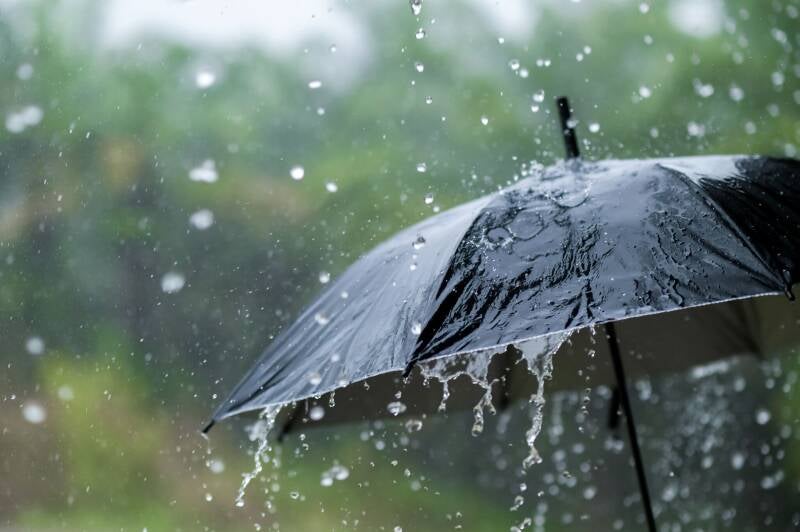
As the harsh winter begins to thaw, many residents—especially seniors and those with mobility challenges—breathe a sigh of relief. However, the transition from ice to the frequent rain showers of a Garden State spring brings a new set of "slip and trip" hazards. While ice is a visible danger, the slick surfaces created by rain and spring debris can be just as treacherous.
Here is how you can stay safe and steady on your feet during this seasonal transition.
1. The "Invisible" Danger: Wet Surfaces
Spring often means heavy rain followed by humidity. This combination creates a thin, slippery film on common surfaces:
- Tiled Entryways: Many homes and local businesses in have tiled or marble foyers that become skating rinks the moment people walk in with wet shoes.
- Painted Surfaces: Be extremely careful on painted wooden porches, handicap ramps, and crosswalk markings. Wet paint is significantly more slippery than wet asphalt.
- Muddy Patches: Thawing ground often becomes unstable mud. If you are walking through a park or your backyard, stay on paved paths to avoid losing your footing in soft earth.
2. Spring Debris: More Than Just a Mess
During the transition, yards and sidewalks are often covered in a mixture of leftover winter salt, fallen twigs, and wet leaves.
- Wet Leaves: These act like banana peels. A single layer of wet leaves can cause a shoe to lose all traction.
- Salt Residue: Ironically, the salt used to melt ice can become a rolling hazard (like ball bearings) once the ice is gone. Ensure your walkways are swept clear of any leftover winter grit.
3. Footwear and Gear Check
Now is the time to audit your spring gear:
- Check Your Treads: Many people wear out the soles of their shoes during the winter. If the "teeth" on the bottom of your sneakers or rain boots are smooth, it’s time for a new pair.
- Umbrella Safety: Avoid using oversized umbrellas that block your peripheral vision. You need to be able to see obstacles on the sidewalk and approaching vehicles clearly.
- The "Wipe Twice" Rule: Always have a heavy-duty mat both outside and inside your door. Wipe your feet twice to ensure the moisture is trapped by the mat, not your floors.
4. Home Maintenance for Spring
Take advantage of the warmer weather to make your home "fall-proof":
- Clear the Gutters: Clogged gutters cause water to overflow and pool right where you walk (your front steps or driveway).
- Improve Lighting: With April showers often bringing gray, dark days, ensure your outdoor walkways have bright, motion-activated lighting.
- Check Railings: Winter ice can sometimes loosen outdoor railings. Give them a firm shake to ensure they are still securely anchored before you rely on them for support.
The Ultimate Act of Love: Respite Care
If you are a family caregiver, managing these seasonal hazards for a loved one can be exhausting. Remember that staying safe also means ensuring you aren't too tired to be observant.
Utilizing respite care allows you to take a break while professionals ensure your loved one's environment is safe, their walkways are clear, and their mobility is supported. Taking care of yourself is the best way to take care of them.
Add comment
Comments