

Receiving a Parkinson’s diagnosis can feel like entering an unfamiliar landscape. In New Jersey, where our lives often move at a high tempo, the "slowing down" associated with Parkinson’s Disease (PD) presents unique challenges for both the individual and their family.
However, a diagnosis is not a full stop—it is a transition. With the right local resources and home-based strategies, many New Jerseyans continue to lead full, active lives long after their diagnosis.
1. Navigating the "Jersey Gait": Walking Safely
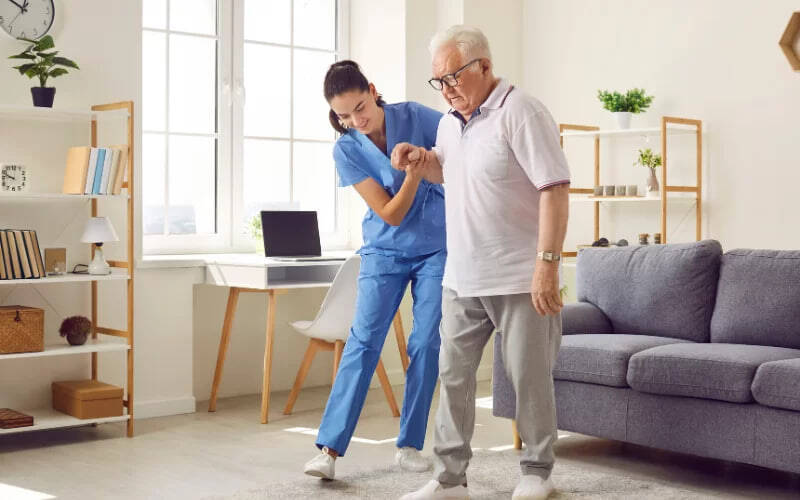
One of the hallmark symptoms of Parkinson’s is "freezing" or a shuffling gait. In a home with the tight hallways or high door thresholds common in older NJ architecture, this can be a major fall risk.
- The Strategy: Remove all "trip points." This includes area rugs, doorway transition strips, and cluttered pathways.
- The Pro Tip: Use "laser cues" or rhythmic music. Many PD patients find that stepping over a visual line (like a piece of bright tape on the floor) helps break a freezing spell.
2. Leveraging NJ’s World-Class Medical Network
We are fortunate to live in a state with some of the nation’s leading neurological centers.
- Action: If you haven't already, look into the specialized programs at the Robert Wood Johnson University Hospital or the Parkinson’s Foundation Mid-Atlantic Chapter based right here in the region.
- Support Groups: New Jersey has a robust network of "Rock Steady Boxing" gyms—a non-contact boxing program specifically designed to improve agility and balance for those with PD.
3. Nutrition and Medication Timing
In Parkinson’s care, when you eat is almost as important as what you eat.
- The Protein Clash: High-protein meals can sometimes interfere with the absorption of Levodopa (a common PD medication).
- The Strategy: Many NJ specialists recommend a "Protein Redistribution Diet," where most protein is consumed during the evening meal to ensure medications work effectively during the active daylight hours.
4. Enhancing the Home with "Steady" Tools
Small changes in the kitchen and bathroom can restore a sense of mastery.
- Weighted Utensils: These help counteract tremors during meals.
- Voice-Activated Tech: For those who find typing or button-pressing difficult, using smart home devices (like Alexa or Google Home) to control NJ lights or thermostats can be a lifesaver.
5. The Emotional Landscape: Depression and Anxiety
Parkinson’s isn't just a motor disease; it affects the chemicals in the brain that regulate mood. It is common for seniors in NJ to feel isolated as their mobility changes.
- The Strategy: Prioritize social engagement. Whether it’s a stroll through a local county park or a "virtual" support group meeting, staying connected to the community is vital for cognitive health.
How Comfort Care NJ Supports the Parkinson’s Journey
At Comfort Care NJ, our caregivers receive specialized training in Parkinson’s support. We understand that some days are "on" (medication is working well) and some are "off."
We provide:
- "Cueing" Assistance: Helping seniors navigate their homes during freezing episodes.
- Careful Supervision: Ensuring safety during transitions from sitting to standing.
- Social Companionship: Engaging in brain-stimulating activities to keep the mind sharp.
You don't have to navigate the Parkinson’s path alone. This April, let us help you build a safer, more supportive environment for your loved one.
Add comment
Comments